Oven cleaning Lonsdale Road Queens Park: a practical local guide to cleaner, safer cooking
If you are searching for Oven cleaning Lonsdale Road Queens Park, you are probably at the point where the oven has gone from "a bit grubby" to "why is it smoking every time I turn it on?" Fair enough. Between roast dinners, weekday trays of food, and the odd spill that seems harmless at the time, ovens build up grease fast. The good news is that a proper clean is not just about appearances. It can help your kitchen smell fresher, reduce smoke, and make cooking feel a lot less like a chore.
This guide walks through what oven cleaning usually involves, why it matters in a Queens Park home, the best ways to approach it, and how to decide whether to tackle it yourself or book help. You will also find a checklist, a comparison table, and answers to the questions people genuinely ask before they make a booking. In other words: the useful stuff, not just the sales pitch.
Table of Contents
- Why oven cleaning in Lonsdale Road Queens Park matters
- How oven cleaning works
- Key benefits and practical advantages
- Who this is for and when it makes sense
- Step-by-step guidance
- Expert tips for better results
- Common mistakes to avoid
- Tools, resources and recommendations
- Law, compliance, standards and best practice
- Options, methods and comparison
- Case study or real-world example
- Practical checklist
- Conclusion
- Frequently asked questions
Why Oven cleaning Lonsdale Road Queens Park Matters
A clean oven does more than look tidy. In a busy household, it affects how the whole kitchen feels. Grease deposits can create stubborn smells, produce smoke, and leave browned-on residue that gets harder to remove the longer it stays in place. Truth be told, the longer you leave it, the more you end up scrubbing, and nobody wants to spend a Saturday afternoon wrestling with burnt-on grime.
For homes around Lonsdale Road and wider Queens Park, where kitchens often work hard and space can be at a premium, oven maintenance is one of those jobs that quickly improves daily life. You notice it when you open the door and it does not hit you with that stale, smoky smell. You notice it again when trays heat more evenly and food does not pick up old residue flavours.
There is also a practical side. A cleaner appliance is easier to monitor for wear and tear. Cracked door seals, failing fan covers, loose racks, and discoloured elements are all easier to spot when the oven is not coated in layers of baked-on fat. That can save time later, and sometimes a repair bill too. Not glamorous, but useful.
If you also care about the wider home environment, combining oven cleaning with deep cleaning services or a broader house cleaning routine can help the kitchen feel properly reset rather than just superficially wiped down.
How Oven cleaning Lonsdale Road Queens Park Works
Professional oven cleaning usually follows a careful process rather than a rushed scrub. The exact method can vary by appliance type, but the general idea is simple: loosen the grime safely, remove the residue thoroughly, and leave the oven ready for use without harsh chemical smells lingering around.
Typically, the process begins with a quick inspection. The cleaner checks the oven type, the condition of the interior, the racks, trays, glass door, seals, fans, and any removable parts. Then the loose debris is lifted out and the stronger cleaning work begins. In many cases, racks and accessories are treated separately so the interior can be cleaned more effectively.
Some services use soak-and-wipe methods, while others use specialist cleaning solutions designed to break down carbonised grease. The point is not to flood the appliance or scratch the surfaces. It is to work methodically. And yes, methodical sounds boring, but that is often what gets the best result.
After the main cleaning stage, the oven is usually dried, reassembled, and checked so the parts sit correctly. Good practice matters here. A loose rack or residue left near the fan can undo all the effort pretty quickly.
If your oven is part of a larger post-renovation or moving process, you may also want to look at move out cleaning or after builders cleaning, since those situations often leave the kitchen dealing with dust, splatter, and stubborn film on top of the normal cooking mess.
Key Benefits and Practical Advantages
The strongest reason to clean an oven is simple: it works better when it is not fighting old grease. But the benefits go a bit beyond that.
- Less smoke and odour: Burnt residue is often the source of that unpleasant smell when the oven heats up.
- More even cooking: Heavy build-up can affect airflow and heat reflection, especially in fan-assisted ovens.
- Better hygiene: Food particles and grease can attract grime and make the interior harder to keep sanitary.
- Longer appliance life: Regular maintenance can reduce strain on components and help you notice issues sooner.
- Improved kitchen presentation: A clean oven matters if you are hosting, renting, selling, or simply trying to keep on top of home standards.
There is also a psychological benefit, honestly. A clean oven makes the whole kitchen feel less heavy. You open the door, and instead of sighing, you think, "Right, that is manageable." Small victory, but a real one.
For landlords, hosts, and tenants, oven condition can also matter at handover points. If you are preparing a property for inspection, end of tenancy cleaning often includes the oven because it is one of the first things people check. And in a short-term rental setup, pairing it with airbnb cleaning helps keep turnover consistent.
Who This Is For and When It Makes Sense
Oven cleaning in Lonsdale Road Queens Park makes sense for more people than you might expect. It is not just for households with years of neglected grease. In our experience, the people who benefit most are the ones who use their ovens regularly and want a kitchen that feels under control rather than slightly sticky around the edges.
This service is especially useful if you are:
- a busy household with frequent cooking
- a tenant preparing to move out
- a landlord getting a property ready for new occupants
- a homeowner hosting guests or family
- someone with limited time, mobility, or patience for deep kitchen work
- a property manager maintaining standards across multiple homes or flats
It also makes sense after a period of heavier use. Holidays, dinner parties, batch cooking, and winter baking all leave their mark. One Sunday roast too many and suddenly the oven floor looks like a science project. Happens to everyone.
If the rest of the property needs attention too, you may want to look at regular cleaning for ongoing upkeep or one-off cleaning when things have built up and need a proper reset.
Step-by-Step Guidance
If you want a straightforward approach, this is the simplest way to think about the process.
- Assess the oven: Check how much residue is present, whether there is grease on the glass, and whether any parts look damaged.
- Switch off and cool down: Never start while the appliance is hot. It sounds obvious, but people do rush this one.
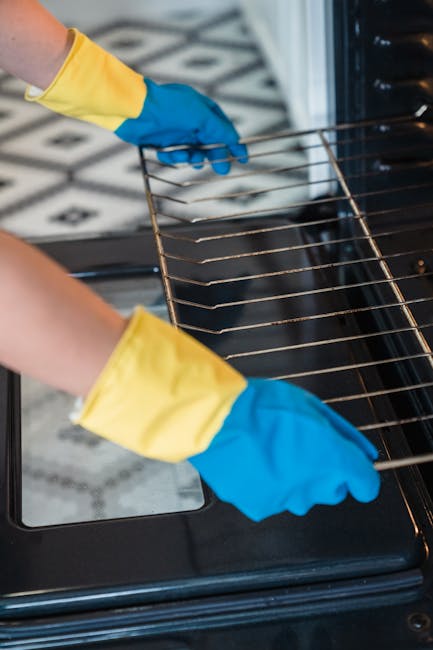
- Remove racks and trays: Taking out loose parts gives you better access and makes the clean more effective.
- Protect the surrounding area: Use towels or a sheet to catch drips and stop cleaning product from reaching floors or cabinets.
- Apply the chosen cleaner: Use a product or method suitable for your oven type and surface finishes.
- Let it dwell: Give the cleaner time to soften grease. Rushing this part usually means more scrubbing later.
- Lift and wipe away residue: Work gently with non-abrasive cloths or pads where appropriate.
- Clean the glass and seals: These areas often trap grime and are easy to overlook.
- Rinse and dry: Any residue left behind can smell when the oven heats up.
- Reassemble and test: Replace racks and trays properly, then run the oven briefly if needed to check it is functioning normally.
If you are cleaning a stubborn oven at the end of a long day, the temptation is to scrub harder. But hard rubbing is not the same as good cleaning. Gentle, patient work usually gives a better finish. And less damage. Nice bonus.
Expert Tips for Better Results
A few small habits make a big difference. First, clean spills sooner rather than later. Fresh fat wipes away much more easily than old carbonised patches. That one tiny act of doing it now saves a whole weekend later. Really.
Second, pay attention to the oven door seal and fan area. These parts are often ignored, yet they affect performance and smell. A clean seal helps the door close properly, and a clear fan cover helps the oven breathe the way it should.
Third, avoid mixing cleaning products. It is a simple safety rule and an easy one to forget when you are trying to get a job done quickly. Use one system, follow the instructions, and ventilate the kitchen well.
Fourth, if your oven has removable panels or liners, check the manufacturer guidance before taking anything apart. Some appliances are straightforward; others are a bit fussy. To be fair, ovens do enjoy being awkward.
Finally, if you are in a shared building or managed block, keep an eye on grease and crumbs around ventilation and shared kitchen areas. A clean oven is great, but if the wider space is neglected, smells and residue come back faster than you would like.
Common Mistakes to Avoid
Most oven-cleaning mistakes fall into a few predictable categories. The first is using too much force. Abrasive pads can scratch enamel, damage glass, or dull the finish. Once that happens, the oven can be harder to clean next time because grime clings to roughened surfaces.
The second mistake is forgetting the hidden areas. People often wipe the obvious parts and call it done. But residue behind the racks, around the hinges, inside the door glass, and near the fan is what causes repeat odours and drips.
The third is not allowing enough dwell time. Cleaning agents need time to work. If you rush straight into scrubbing, you are doing the most effort for the least reward, which is deeply annoying.
The fourth is ignoring safety. Ovens can retain heat longer than expected, and some cleaning products need proper ventilation. Gloves, open windows, and careful handling are not overkill; they are basic good sense.
One more thing: do not treat every oven the same. Fan ovens, range cookers, compact ovens, and integrated appliances can all need different care. What works on one surface may be wrong for another.
Tools, Resources and Recommendations
You do not need a mountain of equipment, but the right tools make the job easier and cleaner. A sensible oven-cleaning kit usually includes:
- microfibre cloths
- non-scratch sponges
- protective gloves
- a soft brush for corners and tracks
- paper towels or absorbent cloths
- a suitable oven-safe cleaner
- a bowl or tray for soaking removable parts
If you are handling the work yourself, a simple timer helps too. It keeps dwell times consistent and stops you from guessing. Small thing, but useful. Very useful, actually.
For readers comparing cleaning support more broadly, you may also find value in domestic cleaning for routine home upkeep or commercial cleaning if the oven is part of a business premises. For households focused on presentation across soft furnishings and floors as well, carpet cleaning and upholstery cleaning can help finish the job properly.
Law, Compliance, Standards and Best Practice
For most homeowners, oven cleaning is a straightforward domestic task rather than a heavily regulated one. Still, good practice matters. If you are using cleaning chemicals, follow the product instructions carefully, keep the space ventilated, and store products safely away from children and pets. That is basic, but it matters more than people think.
If you are a landlord, property manager, or business operator, the expectations are a little higher. You are generally expected to provide a clean, safe, and well-maintained appliance where relevant, especially at tenancy changeover or in customer-facing environments. The exact obligations can depend on the property type, agreements, and relevant safety duties, so it is sensible to keep records of maintenance and cleaning where appropriate.
Insurance and safety are also worth considering if work is being carried out by a contractor. A professional cleaner should be able to explain how they handle products, what they do to protect surfaces, and how they reduce the risk of damage. If you want to understand how a provider approaches this, review their insurance and safety information and their health and safety policy. For more detail on service terms and expectations, terms and conditions and payment and security pages are useful to check before booking.
It is also sensible to be clear about waste handling and product use. Responsible cleaning should avoid unnecessary mess, and where possible it should line up with broader environmental considerations. If that matters to you, a provider's recycling and sustainability approach can be worth a look.
Options, Methods and Comparison
There is more than one way to get an oven clean, and the right choice depends on how dirty it is, how much time you have, and how cautious you want to be with the appliance finish.
| Method | Best for | Pros | Limitations |
|---|---|---|---|
| DIY spray-and-wipe | Light everyday grease | Quick, inexpensive, easy to repeat | Can struggle with baked-on residue and awkward corners |
| Soak-and-scrub | Moderate build-up | More effective on racks and trays, good control | Takes time and still needs effort |
| Professional deep clean | Heavy grime or busy households | Detailed, thorough, less hassle for you | Usually costs more than doing it yourself |
| Scheduled maintenance clean | Homes that cook often | Prevents heavy build-up, easier to manage | Needs consistency to work properly |
In real life, many households use a mix of methods. They spot-clean weekly, then book a deeper clean when the oven starts to look tired. That tends to be the sweet spot. Not too much effort, not too much neglect.
If you are comparing cleaning services for the wider home, move in cleaning and one-off cleaning are often the most relevant companions to an oven clean, particularly when you want the whole place to feel genuinely fresh rather than just tidied.
Case Study or Real-World Example
Picture a typical Queens Park flat kitchen on a Friday afternoon. The oven has seen a few weeks of roasting, baking, and the occasional cheese spill that nobody noticed until it had fused into the shelf. The glass is hazy, the smell when it heats up is a bit stale, and the owner is expecting visitors the next day.
Rather than trying to scrub everything in one go, the job is broken into stages. First, the racks are removed and soaked. Then the interior is treated carefully, with extra attention to the bottom where drips had hardened. The glass door gets its own clean, because that is the bit everyone sees. After drying and reassembly, the owner runs the oven briefly to clear out any lingering moisture.
The result is not just visual. The kitchen smells cleaner, the oven is easier to inspect, and the owner feels a bit more relaxed about the weekend. Small scene, but very real. And that is usually the point with domestic cleaning: not perfection, just less friction in everyday life.
Practical Checklist
Use this before or after your oven clean to keep things on track.
- Turn the oven off and let it cool completely
- Remove trays, racks, and loose accessories
- Protect nearby surfaces and flooring
- Use gloves and ventilate the kitchen
- Check which parts are safe to remove
- Clean the glass, door seal, and fan cover carefully
- Rinse away product residue thoroughly
- Dry all parts before reassembly
- Run a short test cycle if needed
- Set a reminder for the next maintenance clean
Quick expert summary: if an oven is only lightly dirty, frequent maintenance is usually enough. If it has heavy grease, odours, or years of build-up, a more thorough clean is the smarter route. Clean earlier, clean gently, and do not ignore the hidden corners.
Conclusion
Oven cleaning Lonsdale Road Queens Park is one of those jobs that pays you back quickly. The oven looks better, smells better, and works more predictably. More importantly, the task stops feeling like a looming problem in the background. That alone is a relief.
Whether you are trying to maintain a busy family kitchen, prepare a rental, or simply stop the smoke alarm from making dramatic opinions every time you cook, the right approach is a mix of good habits, safe methods, and realistic timing. Some people do fine with routine upkeep. Others need a proper deep clean to reset things. Both are valid.
If you are weighing up your options and want the job handled properly, take a calm look at what your oven needs and what would save you the most time. A cleaner oven does not just look nice. It makes the whole home feel a bit easier to live in, and that is no small thing.
Get a free quote today and see how much you can save.
Frequently Asked Questions
How often should an oven be cleaned in a busy household?
For regular home cooking, a light wipe after spills and a deeper clean every few months is a sensible rhythm. If you roast often, bake a lot, or use the oven daily, you may need more frequent attention.
Is professional oven cleaning worth it?
It can be, especially if the oven has heavy grease, bad odours, or awkward areas you do not want to tackle yourself. A professional clean saves time and usually reaches parts that get missed in a quick DIY job.
Can oven cleaning remove burnt-on grease completely?
In many cases, yes, though very old build-up may take more than one treatment or a more detailed process. The outcome depends on the oven's condition and the materials used inside it.
Will oven cleaning damage the appliance?
It should not, provided the right products and methods are used. Damage usually comes from abrasive tools, harsh chemicals used incorrectly, or removing parts that should have stayed in place.
How long does a typical oven clean take?
That depends on the level of grime and the oven type. A lightly used oven may be quicker, while a heavily soiled one can take considerably longer because dwell time and careful detailing matter.
Is oven cleaning safe for fan ovens and modern appliances?
Yes, but only if the cleaning method suits the appliance. Fan covers, seals, and electronic components need careful handling, so it is worth checking the make and model guidance first.
Should I clean the oven before moving out?
Yes, usually. Oven condition is one of the things landlords and letting agents often notice during end of tenancy checks, so it is wise to leave it clean and presentable.
What is the difference between oven cleaning and a general kitchen clean?
Oven cleaning focuses on the appliance itself: the interior, racks, door, glass, seals, and related parts. A general kitchen clean covers broader surfaces like counters, cupboards, sinks, and floors.
Do oven cleaning products smell strong?
Some do, some do not. Good ventilation helps either way, and leaving the door open briefly after the clean can help the oven settle before you use it again.
Can oven cleaning help reduce smoke when cooking?
Yes, often. Smoke is frequently caused by old grease or food residue heating up again, so removing that build-up can make cooking much cleaner and more pleasant.
What should I check before booking a cleaning service?
Look at what is included, how they handle safety, whether they explain their process clearly, and whether the service terms are transparent. It is also sensible to check insurance and payment details before confirming.
Can oven cleaning be combined with other home cleaning services?
Absolutely. Many people combine it with carpet, upholstery, or full-house cleaning so the whole property feels refreshed at once rather than piecemeal.